














Kilgore carries its oil boom legacy in a way that few East Texas cities do quite as visibly. The World’s Richest Acre, the oil derricks still standing downtown, the Rangerette heritage — these are not just historical footnotes but living parts of how the city understands itself. And underneath that identity is a residential landscape shaped directly by that boom-era history. A significant portion of Kilgore’s housing stock was built during the 1930s and 1940s to house the workers and families who flooded into Gregg and Rusk counties during the East Texas oil field explosion, and those homes are still standing, still occupied, and still being heated by systems that have been retrofitted, patched, and replaced in pieces across multiple generations of ownership. Patriot Electric, Heating and Cooling has been serving East Texas for more than 20 years, working in Kilgore and across Gregg and Rusk counties. We are locally owned, fully licensed for both HVAC and electrical work, and we have spent two decades developing the kind of hands-on familiarity with oil-country housing stock that you only get from actually working in it year after year.
Kilgore sits in a part of East Texas where winter arrives without much ceremony. A week of mild December weather can be followed by a hard freeze that settles in for days, and the furnaces that fail under that demand are almost always the ones that had been sending signals for weeks beforehand. In a city where a meaningful share of the housing stock carries real age and real history, those signals can be easy to rationalize as quirks of an older home rather than symptoms of a developing mechanical problem. Here is what deserves a closer look: In Kilgore’s older homes especially, these signs carry weight because the systems producing them are often working against conditions — aging ductwork, inadequate return air, modified gas lines — that compound whatever the primary mechanical issue turns out to be. Catching a problem early in a home like that is a meaningfully different situation than catching it after a full failure.
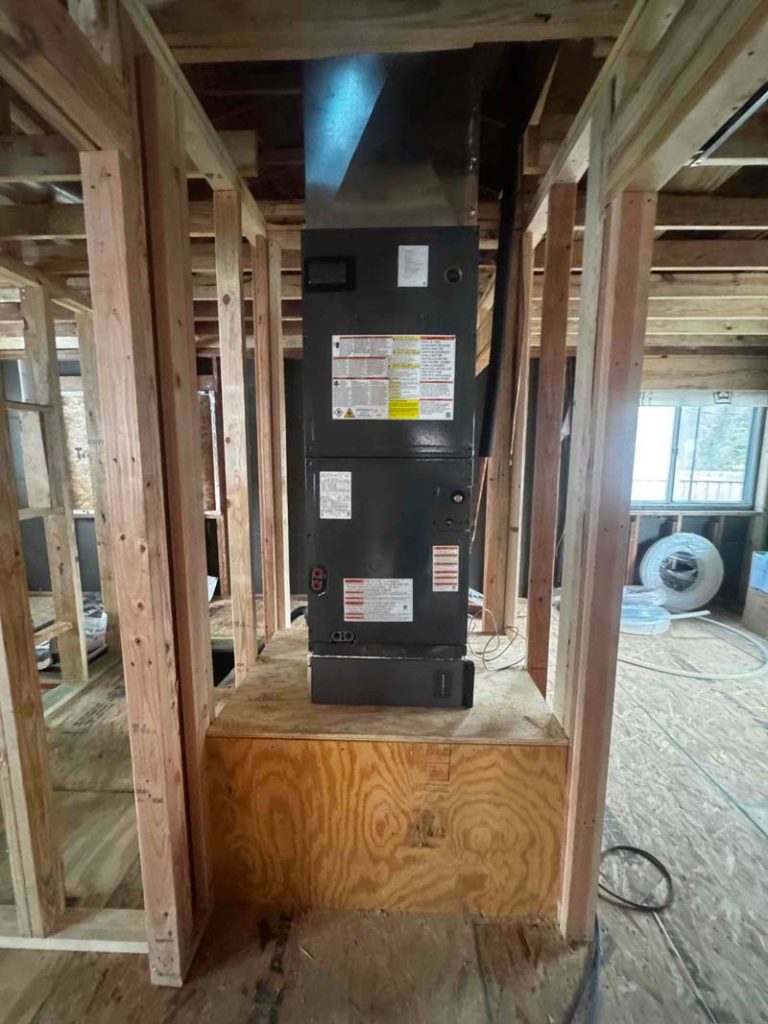
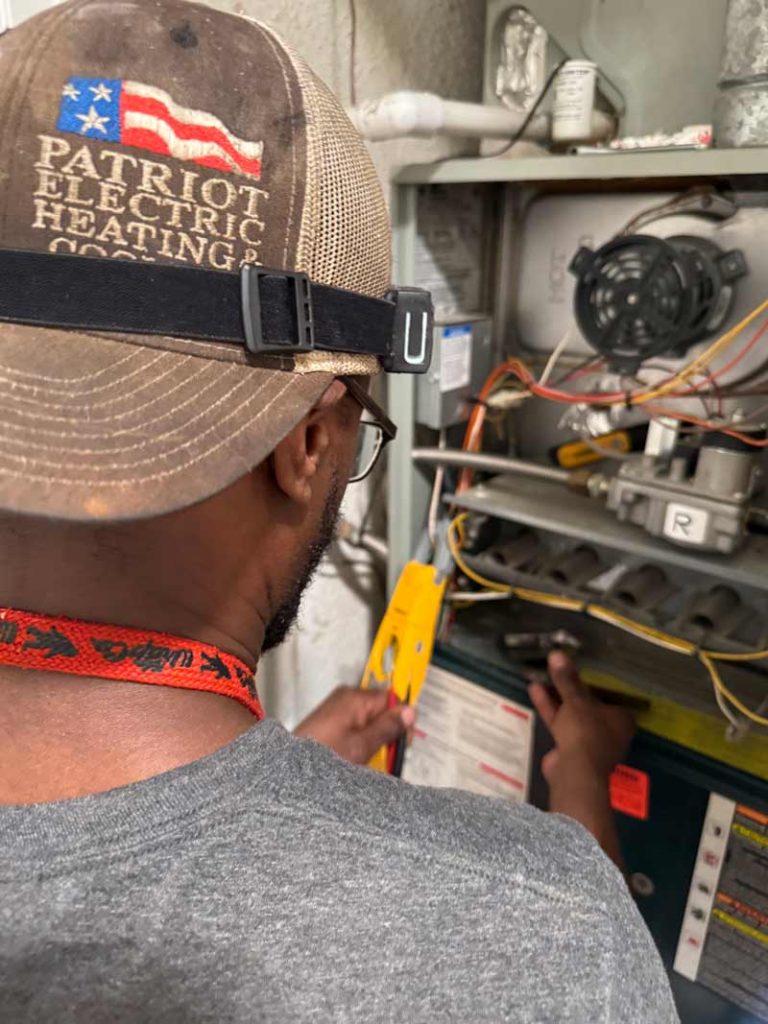
The homes built during Kilgore’s oil boom were constructed quickly and practically — worker housing and modest family homes put up in a hurry to meet the demand of a suddenly booming population. They were built for the climate of that era, not for modern forced-air HVAC, and the systems that have been added to them over the decades reflect the improvised, piecemeal nature of retrofit construction that happens when a home changes hands multiple times and each owner addresses comfort differently. What makes Kilgore’s situation distinct from Gladewater — the other oil-era city in this region — is the Rusk County overlap and the specific soil conditions that come with it. The East Texas oil field sits on top of geological formations that have been subject to decades of extraction activity, and the ground in parts of Kilgore and the surrounding area has subsidence characteristics that affect how structures settle over time. Homes on pier-and-beam foundations in these areas have experienced more movement across their lifetimes than similar homes on more stable ground, and that movement shows up directly in duct system integrity — in pulled connections, cracked mastic seals, and shifted trunk line positions that no longer align with the original installation. On top of that, Kilgore’s position between Gregg and Rusk counties puts it in a humidity corridor that channels moisture from weather systems moving through the Sabine drainage without the elevation relief that communities further west experience. These are the heating system patterns that result: Diagnosing a furnace in a Kilgore home from the 1930s or 1940s is not the same exercise as diagnosing one in a 2005 subdivision build, and the companies that treat them the same way tend to miss what is actually driving the problem.
We have been doing this work in East Texas long enough to know that furnace problems in older homes rarely have a single clean cause. The presenting issue — a short-cycling system, a furnace that runs without producing adequate heat, a control board that keeps throwing faults — is usually the downstream effect of something that has been building for a season or two before it becomes impossible to ignore. Our approach is to find that upstream cause, explain it in terms that make sense to the homeowner, and repair it in a way that addresses the root rather than just quieting the symptom. Dual licensing for HVAC and electrical work is central to how we operate in Kilgore. Oil-era homes with partially updated electrical systems present exactly the kind of diagnostic situation where a company that can only see one side of the picture will miss what is actually happening. A furnace that is throwing control board errors in a home with a mismatched panel and aging branch circuit wiring may have nothing wrong with the furnace at all. We evaluate both disciplines in a single visit and follow the problem to wherever it actually originates. Our 32-point electrical inspection is part of every service call we take. In Kilgore’s older housing stock, that inspection regularly surfaces conditions — partial panel updates, undersized circuits, original wiring running alongside modern equipment — that a pure HVAC call would never catch and that have real implications for both safety and system performance. We report everything we find honestly, explain what it means, and leave the decision about how to proceed entirely with the homeowner.
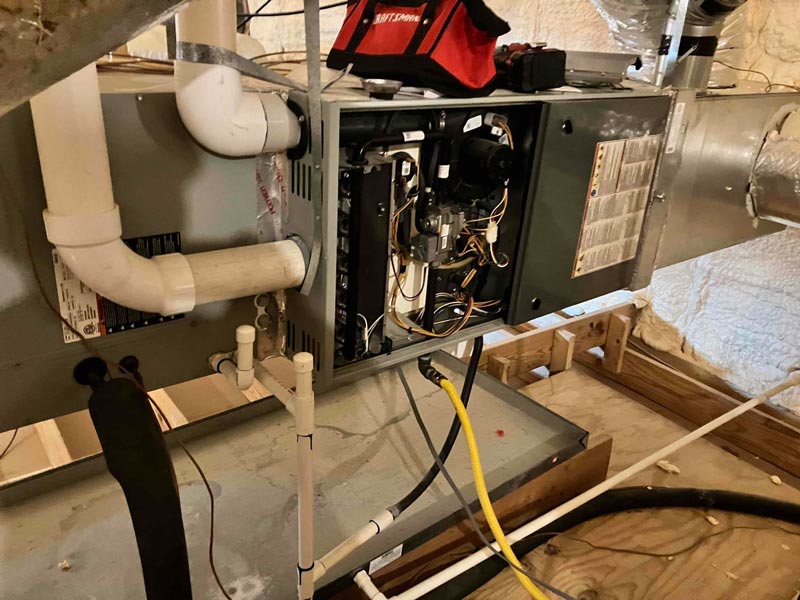
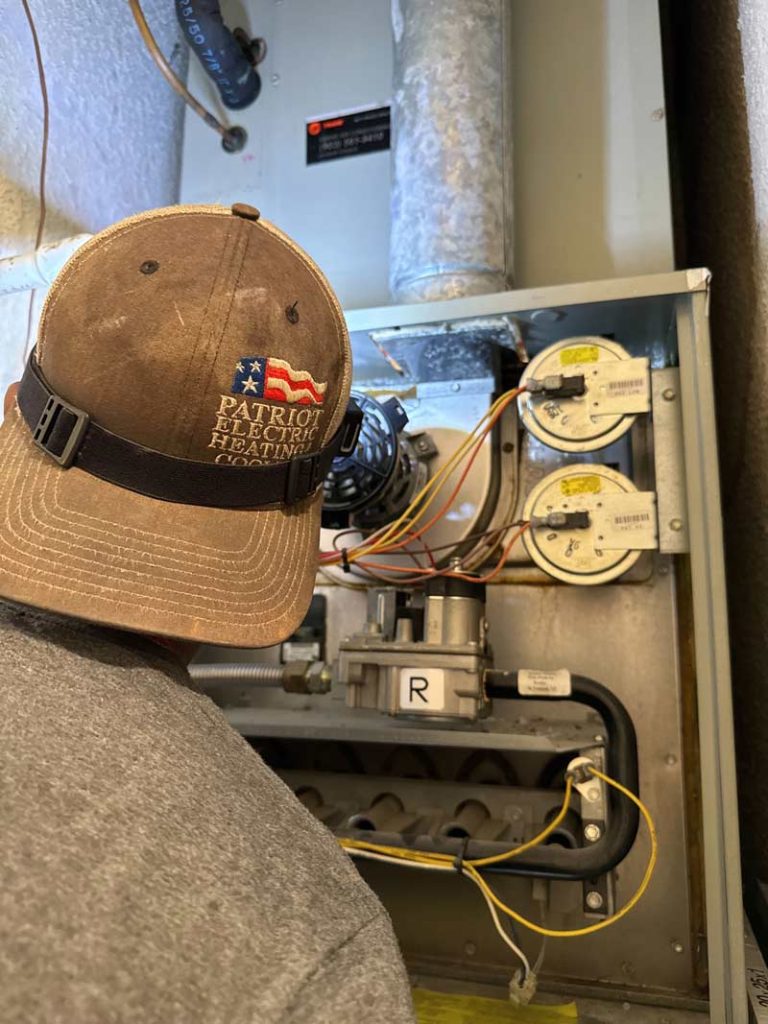
We got a call from a homeowner in Kilgore on a Friday afternoon in late January. Nadine had lived in her home for over 25 years — a 1940s pier-and-beam bungalow in one of the established neighborhoods a few blocks off the main corridor through town. The furnace had been giving her trouble all week, running in short bursts and then cutting off, and the house had been hovering around 62 degrees despite the thermostat being set considerably higher. She mentioned the system had been replaced about 12 years earlier but had not been serviced since the installation. When our technician arrived and began the diagnostic, the short-cycling traced back to two separate issues operating simultaneously. The pressure switch was failing intermittently — a worn rubber hose connecting it to the inducer had developed a crack that was breaking the pressure circuit under load. But when the technician got under the house to inspect the duct system, he found something that explained why the system had been working so hard for so long before this week’s failure. Two sections of flex duct serving the back of the house had pulled completely free from the trunk line at their collars — almost certainly the result of gradual foundation movement over the years — and a third section had a longitudinal split along its inner liner that had been venting conditioned air into the crawl space for what looked like more than one heating season. The pressure switch hose was replaced, the disconnected duct sections were reattached and properly secured, the split liner was replaced, and every accessible duct connection beneath the home was sealed while the technician was already down there. Nadine said it was the first time the back bedrooms had been genuinely warm in years, and she had simply stopped expecting them to be.
Kilgore is a city with a strong sense of its own identity, and the people who live here tend to have a clear sense of what they value in the businesses they support. They are not looking for the biggest name or the most advertising — they are looking for someone who knows what they are doing, charges fairly, and follows through on what they say. That description fits how we have operated for over 20 years, and it is the reason most of our work in Gregg and Rusk counties comes from repeat customers and the people they send our way. Working in Kilgore’s oil-era homes has made us better at this work in a practical sense. These are not easy homes to diagnose. They have layers of history in their duct systems, their gas lines, and their electrical infrastructure, and every layer represents a decision made by a previous owner or contractor that affects what we find today. Developing the patience to work through that complexity accurately — rather than stopping at the first plausible explanation — is something that comes from years of experience in homes like these, and it is something we bring to every service call in this city. Being locally owned means the accountability for our work stays close. There is no corporate structure absorbing the consequences of a job done poorly. When we leave your home, the quality of that work reflects directly on us — on our name in this community and on our ability to keep earning the trust of the homeowners we serve. That is a standard we take seriously, and it shows up in how we approach every call we take in Kilgore and across the East Texas region.
The pressure switch is a safety device that confirms the inducer motor is creating proper airflow before allowing the burner to fire. If the switch or the rubber tubing connecting it to the inducer develops a fault, the furnace will attempt to start, fail to confirm proper draft, and shut back down — repeating that cycle without ever completing a full heating sequence. It is a common cause of short-cycling that is straightforward to diagnose and repair once identified.
Yes, and it is more common than most homeowners realize, particularly in pier-and-beam homes that have settled across decades. As the foundation shifts gradually over time, flex duct connections at trunk collars can pull loose, mastic seals at joints can crack, and trunk line positions can shift out of alignment with their original installation. The result is conditioned air escaping into the crawl space rather than reaching the living area, often without any visible sign of a problem from inside the home.
Gas supply issues are more common in older homes where the original gas line infrastructure has been tapped and extended multiple times across different appliance replacement cycles. If your furnace experiences intermittent flame failures during high-demand periods, or if burner performance seems inconsistent, gas pressure at the unit is worth evaluating. A technician can measure supply pressure and determine whether the delivery system is adequate for the equipment it is serving.
Ten years of operation without a professional inspection means the condition of several key components is unknown — heat exchanger integrity, ignition system wear, blower motor condition, and duct system performance can all change significantly over that period without producing an obvious failure. Annual service is the standard recommendation precisely because it catches developing problems before they become failures, and a furnace that has gone a decade without attention is overdue for a thorough evaluation.
Yes. We serve Kilgore and the surrounding area across both Gregg and Rusk counties, as well as the broader East Texas region. If you are unsure whether your address falls within our service area, give us a call and we will let you know right away.