









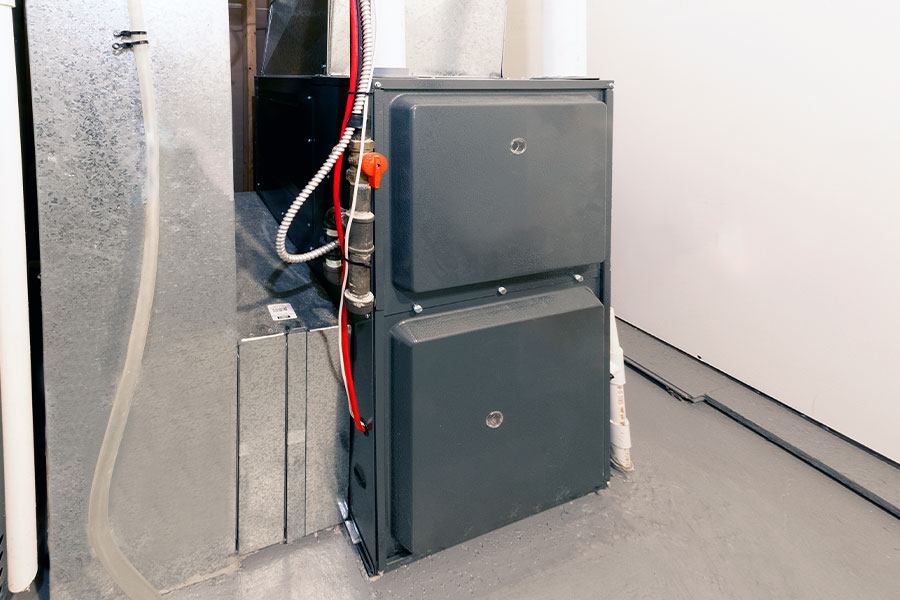
A furnace blows cold air instead of heat in Chapel Hill, TX most often because the thermostat fan is set to ON, the burners failed to light, a dirty filter tripped a safety limit, or a dirty flame sensor shut the burners down. Cool air for a moment at startup is normal, but cold air that continues is not.
Chapel Hill sits along State Highway 64 roughly eight miles southeast of Tyler, and the area served by Chapel Hill ISD includes everything from long-held family properties to newer homes closer to the city. Furnaces across that range share the same handful of reasons for blowing cold air. Our team provides furnace repair in Chapel Hill, and this guide walks through what is normal, what each common cause looks like, and what homeowners can safely check before calling.
Key Takeaways
- A thermostat fan set to ON circulates air even when the burners are off, which feels like the furnace is blowing cold air.
- Cool air during the first minute of a heating cycle is normal while the heat exchanger warms up.
- A dirty filter can overheat a furnace and trip a limit switch that shuts off the burners while the blower keeps running.
- A dirty flame sensor or failing igniter often causes a furnace in Chapel Hill to start, then blow cold air.
- Repeated cold air cycles, a gas smell, or a flashing error light call for a licensed technician.
Normal Startup Air vs. a Real Problem
A short burst of cool air at startup is normal, while cold air that lasts for minutes is a sign of trouble. When a gas furnace starts, the burners light first and the blower waits briefly so the heat exchanger can warm up. A heat exchanger is the metal chamber that transfers heat from the burner flames to the air moving through the system without letting combustion gases mix with that air.
Air that sat in the ductwork during the off cycle has cooled down, so the first air from the vents can feel cool even when everything is working correctly. Within a minute or two, the air should turn noticeably warm. If it stays cool or cold, something has interrupted the heating process.
Homes with a heat pump have one more normal exception. During a defrost cycle, a heat pump briefly reverses to melt frost from the outdoor coil, and the air indoors can feel cooler for a few minutes until the cycle ends.
Common Reasons a Furnace Blows Cold Air
Most cold-air complaints trace back to a short list of causes. Each one has a distinct pattern that helps narrow down the problem.
The Thermostat Fan Is Set to ON
A thermostat fan set to ON runs the blower continuously, even between heating cycles when the burners are off. During those gaps, the vents push room-temperature air that feels cold against the skin. Switching the fan to AUTO lets the blower run only when the furnace is actually heating.
A Dirty Air Filter Tripped the Limit Switch
A limit switch is a safety sensor that shuts off the burners when the inside of the furnace gets too hot, and a clogged filter is one of the most common reasons it trips. When that happens, the burners stop but the blower keeps running to cool the furnace down, which sends cool air through the house. ENERGY STAR notes that a dirty filter can increase energy costs and damage equipment, leading to early failure, and recommends checking filters monthly. Our team also handles AC and furnace air filter replacement for homeowners who want the right filter size and type confirmed.
The Burners Are Not Lighting
A furnace that cannot light its burners will often run the blower anyway or cycle through several failed attempts before locking out. The igniter is the component that lights the gas, and modern furnaces use a hot surface igniter that glows bright orange before the gas valve opens. A weak or cracked igniter is a frequent cause of no-heat calls, and our guide to the signs a furnace ignitor is failing covers the warning signs in more detail.
A Dirty Flame Sensor Is Shutting the Burners Off
A flame sensor is a thin metal rod that confirms the burners have lit, and the furnace shuts off the gas within seconds if the sensor cannot detect a flame. A coating of residue on the sensor can make it miss a flame that is actually burning. The result is a furnace that lights, runs for a few seconds, shuts down, and blows cool air while it tries again.
A High-Efficiency Furnace Has a Drain Problem
High-efficiency furnaces produce water as they pull extra heat from exhaust gases, and that water leaves through a condensate drain line. If the drain clogs or freezes, a safety switch shuts the burners down to prevent water damage, and the blower may continue moving unheated air.
Attic Ductwork Is Leaking or Disconnected
Sometimes the furnace produces heat just fine, but the warm air never reaches certain rooms. Ductwork running through an unconditioned attic can tear, loosen, or come completely loose at a connection, dumping heated air into the attic while the affected rooms receive cooler air. On one service call in Chapel Hill, a homeowner whose furnace had been running all day found the back hallway and guest rooms still cold. Our technician traced the problem to a section of flex duct that had pulled loose at a trunk connection in the attic, and every bit of heat meant for those rooms had been going straight into the attic.
What Chapel Hill Homeowners Can Safely Check First
A few simple checks can solve the most common cold-air problems without opening the furnace. These checks are safe for homeowners to do before calling for service:
- Thermostat mode and fan: Confirm the thermostat is set to HEAT, the fan is on AUTO, and the setpoint is above the current room temperature.
- Thermostat batteries: Replace the batteries if the display is dim, blank, or showing a low-battery warning.
- Air filter: Check the filter and replace it if it looks gray, clogged, or overdue.
- Furnace power switch: Make sure the light-style service switch near the furnace is in the ON position.
- Circuit breaker: Check that the breaker for the furnace has not tripped.
- Status light: Look through the small window on the furnace door and write down the pattern of any blinking light, which a technician can use to read the error code.
If those checks do not restore warm air, it is time to stop troubleshooting. Igniters, flame sensors, gas valves, and control boards should be handled by a licensed technician, and any smell of gas means leaving the home right away and calling the gas utility from outside.
Why Furnace Maintenance Prevents Cold Air Calls
Most cold-air problems develop gradually and show up during the first real cold front, when the furnace finally runs hard after months of rest. A pre-season tune-up catches the usual causes early by cleaning the flame sensor, testing the igniter, checking the limit switch and drain, and confirming that the burners light and run properly.
ENERGY STAR also notes that a dirty burner or cracked heat exchanger causes improper burner operation, which can make the equipment run less safely and efficiently. Based on what we see in Chapel Hill homes, furnaces that receive regular furnace maintenance are far less likely to leave a family with cold air on a winter night.
Frequently Asked Questions About Furnaces Blowing Cold Air
Is it safe to keep running a furnace that blows cold air?
It is not wise to keep running a furnace that repeatedly blows cold air after the basic checks. Repeated failed ignition attempts or limit trips put stress on components, and some causes, such as a cracked heat exchanger, carry safety risks.
Why does my furnace blow warm air briefly, then cold air?
A furnace that blows warm air briefly and then cold air is usually shutting its burners off mid-cycle. A dirty flame sensor, an overheating furnace tripping its limit switch, or a drain safety switch are the most common reasons.
Can a power outage cause my furnace to blow cold air?
Yes, a power interruption can leave a furnace in a lockout state or reset its controls in a way that disrupts normal operation. If warm air does not return after the power is stable, a technician should check the control board and ignition sequence.
Why does a heat pump blow cool air in winter?
A heat pump blows cool air for a few minutes during its defrost cycle, which is normal. Air that stays cool for long periods, especially with ice building on the outdoor unit, points to a heat pump problem.
How long does it take to fix a furnace that blows cold air?
Many common causes, such as a dirty flame sensor or a failed igniter, can be corrected in a single visit when the part is available. Ductwork and control board problems may take longer depending on access and parts.
Getting Warm Air Back in Chapel Hill Homes
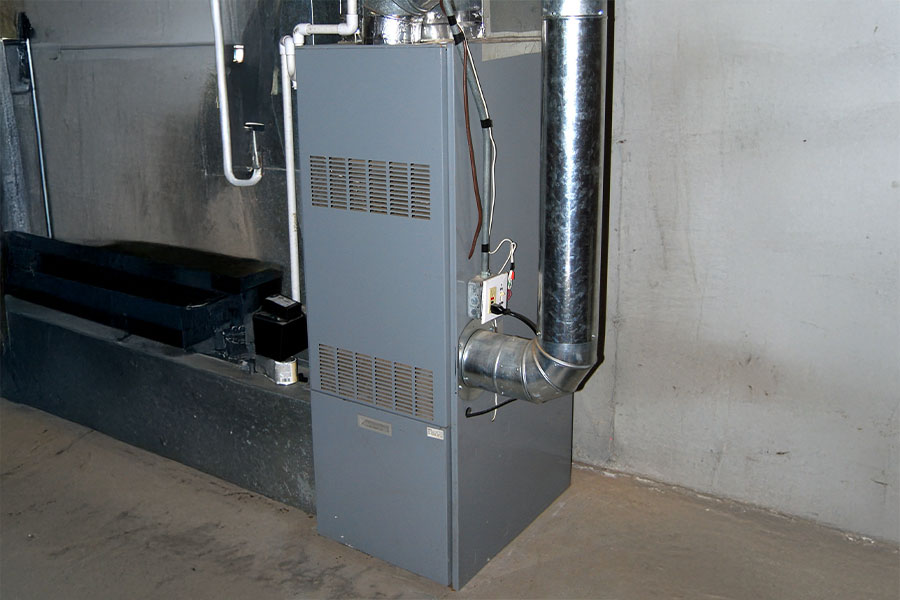
A furnace that blows cold air in Chapel Hill is usually dealing with a thermostat setting, a clogged filter, an ignition or flame sensor problem, a drain safety shutoff, or ductwork that is losing heat before it reaches the room. Simple checks solve the first two, while the rest call for a technician with the right tools.
Patriot Electric, Heating and Cooling services all major brands of gas and electric heating systems and is fully licensed for both HVAC and electrical work, which helps when a cold-air problem traces back to a control board or wiring. If your furnace is still blowing cold air, schedule furnace service and our team will track down the cause.