










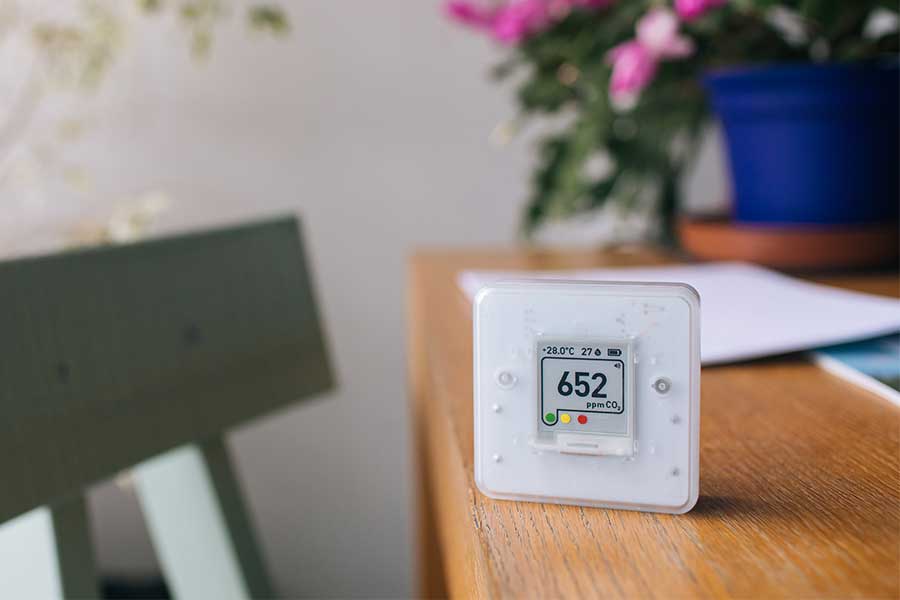
Dry winter air affects indoor comfort in Flint, TX by making rooms feel colder than the thermostat reads, drying out skin and sinuses, and increasing static shocks. Cold outdoor air holds very little moisture, and once that air leaks indoors and warms up, indoor relative humidity can drop well below a comfortable range.
Flint is an unincorporated community south of Tyler along FM 2493, also known as Old Jacksonville Highway, with homes ranging from older properties on wooded acreage to newer lots near Toll 49. Most of the year, homeowners here are fighting humidity, so winter dryness often catches people by surprise. Our team provides heating and furnace service in Flint, and this guide explains why winter air gets so dry indoors, how it affects comfort, and which fixes actually work.
Key Takeaways
- Heating cold outdoor air lowers its relative humidity, which is why indoor air feels driest during winter cold snaps.
- Mayo Clinic recommends keeping indoor humidity between 30% and 50% for comfort and health.
- A furnace does not remove moisture from the air, but air leaks that pull in cold, dry outdoor air do.
- Dry air can make a Flint home feel colder at the same thermostat setting, which nudges heating costs higher.
- Sealing air and duct leaks often improves winter humidity more than running a portable humidifier alone.
Why Indoor Air Gets So Dry in Winter
Indoor air gets dry in winter because cold outdoor air carries very little moisture, and heating that air makes it feel even drier. Relative humidity is the amount of moisture in the air compared to the most moisture the air could hold at its current temperature. Warm air can hold far more moisture than cold air, so when cold air is heated without adding water, its relative humidity drops sharply.
Flint sits in a humid subtropical climate, which is why summer here feels sticky and dehumidifiers stay busy. Winter cold fronts change that pattern quickly. When a dry Arctic air mass settles over Smith County, the outdoor air that seeps into a home is already low in moisture, and the heating system warms it into air that feels parched indoors.
Signs Dry Winter Air Is Affecting Your Home
Dry air usually announces itself through small daily annoyances before homeowners connect the dots. These signs suggest indoor humidity has dropped too low:
- Frequent static shocks: Dry air lets static charge build up on carpets, blankets, and clothing.
- Dry skin and cracked lips: Moisture evaporates from skin faster when the surrounding air is dry.
- Irritated nose, throat, or eyes: Mayo Clinic notes that low humidity can bother the nose and throat and make eyes feel itchy.
- Gaps in wood floors and trim: Wood flooring, doors, and furniture shrink slightly as they lose moisture.
- Rooms that feel chilly at a normal setting: Dry air pulls heat from the skin through evaporation, so the house feels colder than the thermostat reads.
The healthy target is well defined. According to Mayo Clinic, it is ideal to keep the humidity in a home between 30% and 50%, and humidity levels tend to run lower in winter than in summer. A simple hygrometer, an inexpensive device that measures indoor humidity, shows whether a home falls inside that range.
Why Dry Air Makes a Warm House Feel Cold
Dry air makes a home feel colder because moisture evaporates from the skin more quickly, and evaporation carries heat away from the body. Two rooms at the same temperature can feel noticeably different when one has comfortable humidity and the other is very dry.
That effect quietly drives up heating costs. When a house feels chilly, the natural reaction is to raise the thermostat a few degrees, which makes the furnace or heat pump run longer. Bringing humidity back into a healthy range often lets homeowners feel comfortable at a lower setting, which is easier on both the equipment and the energy bill.
What Really Causes Low Humidity in Flint Homes
Low winter humidity is driven mostly by air leakage, not by the heating system itself. A common belief is that a furnace dries out the air, but a properly working furnace does not remove moisture. The real problem is cold, dry outdoor air entering the home and replacing the more humid air inside.
Based on what we see in Flint properties, these are the most common sources of that dry air:
- Leaky return ducts: Return ducts that run through an attic or crawl space can pull in outside air through loose joints and torn connections.
- Gaps around doors and windows: Older homes on acreage and homes with settled framing often leak air at doors, windows, and attic hatches.
- Exhaust fans left running: Bathroom and kitchen fans push indoor air out, and drier outdoor air leaks in to replace it.
- Fireplaces: An open fireplace damper draws a steady stream of heated indoor air up the chimney.
Duct leaks deserve special attention because they affect every room the system serves. A return duct leak in the attic can pull in dry outdoor air every time the system runs, and sealing it is part of professional HVAC repair that improves comfort, humidity, and efficiency together.
Ways to Improve Winter Humidity and Comfort
The best fix for dry winter air depends on how dry the home gets and why. This comparison shows the main options and where each one fits:
| Option | How It Helps | Best Fit |
|---|---|---|
| Sealing air and duct leaks | Reduces the amount of dry outdoor air entering the home | Homes with drafts, attic ductwork, or uneven rooms |
| Portable humidifier | Adds moisture to a single room | Bedrooms or small spaces that feel especially dry |
| Central humidifier | Adds moisture through the HVAC system to the whole house | Homes that stay dry even after leaks are addressed |
More humidity is not always better. Mayo Clinic warns that humidity that is too high can cause condensation on walls and other surfaces, which supports mold and dust mites. Portable humidifiers also need regular cleaning to keep bacteria and mold from growing in the tank. Our indoor air quality services help homeowners find the right balance, starting with an evaluation of where moisture and air are being lost.
Routine system care supports all of this. Clean filters, sealed connections, and properly adjusted airflow help the heating system deliver steady warmth without pulling in extra outdoor air, and annual HVAC maintenance is the right time to check them.
Frequently Asked Questions About Dry Winter Air
How can I check the humidity level in my home?
A hygrometer is the simplest way to check indoor humidity. These small devices look like thermometers, cost very little, and show whether a room falls inside the recommended 30% to 50% range.
Can dry air damage wood floors and furniture?
Yes, very dry air can cause wood floors, trim, cabinets, and furniture to shrink and develop small gaps or cracks. Keeping humidity within a healthy range during winter helps protect wood finishes and musical instruments as well.
Is a whole-house humidifier better than a portable one?
A whole-house humidifier treats every room through the HVAC system and requires less daily attention, while a portable unit treats only one space. The better choice depends on how dry the whole home gets after air leaks are addressed.
Why do I get shocked more often in winter?
Static shocks increase in winter because dry air allows static electricity to build up on the body and on fabrics. Raising indoor humidity toward a healthy level usually reduces those shocks noticeably.
Can too much humidity cause problems in winter?
Yes, excessive humidity in winter can cause condensation on cold windows and walls, which can lead to mold growth. The goal is a moderate, steady level rather than as much moisture as possible.

Staying Comfortable Through Dry Winter Days in Flint
Dry winter air affects comfort in Flint because heated outdoor air has very little moisture, leaving homes with static, dry skin, irritated sinuses, and rooms that feel colder than they are. Finding and sealing the air leaks that bring dry air inside is usually the most effective first step, with humidification added where it is still needed.
Patriot Electric, Heating and Cooling has served Flint and the surrounding East Texas area for over 20 years and works on both gas and electric heating systems. If your home feels dry and drafty this winter, schedule an indoor air quality visit and our team will help you find the cause.