










Mineola sits at a crossroads — literally and figuratively. As the Wood County seat, it has long been the kind of place people pass through and then decide to stay in. The historic downtown, the older residential neighborhoods surrounding it, and the mix of longtime locals and newer arrivals who have discovered the area in recent years give Mineola a character that is genuinely its own. The homes here reflect that history — a substantial share of the housing stock dates back to the early and mid-1900s, which means the heating systems serving those homes face a different set of challenges than what you find in newer construction across the region. Patriot Electric, Heating and Cooling has been serving East Texas homeowners for more than 20 years, and we work regularly in Mineola and throughout Wood County. We are locally owned, fully licensed for both HVAC and electrical work, and we bring the kind of practical experience that only comes from years of working in real homes in this part of the state.
Mineola winters follow the East Texas pattern — stretches of mild weather that can give way to hard freezes with little warning, and a furnace that has been sitting idle for months may not be prepared for what gets asked of it when temperatures finally drop. Older homes add another variable: the building envelope, the ductwork, and the mechanical systems all interact in ways that can mask a developing problem until it becomes a real one. Knowing what to watch for gives you the best chance of catching trouble early rather than during the coldest stretch of the year. Older Mineola homes in particular benefit from proactive attention to these signs, because the combination of aging mechanical systems and aging building envelopes means small problems have more places to hide and more ways to compound.
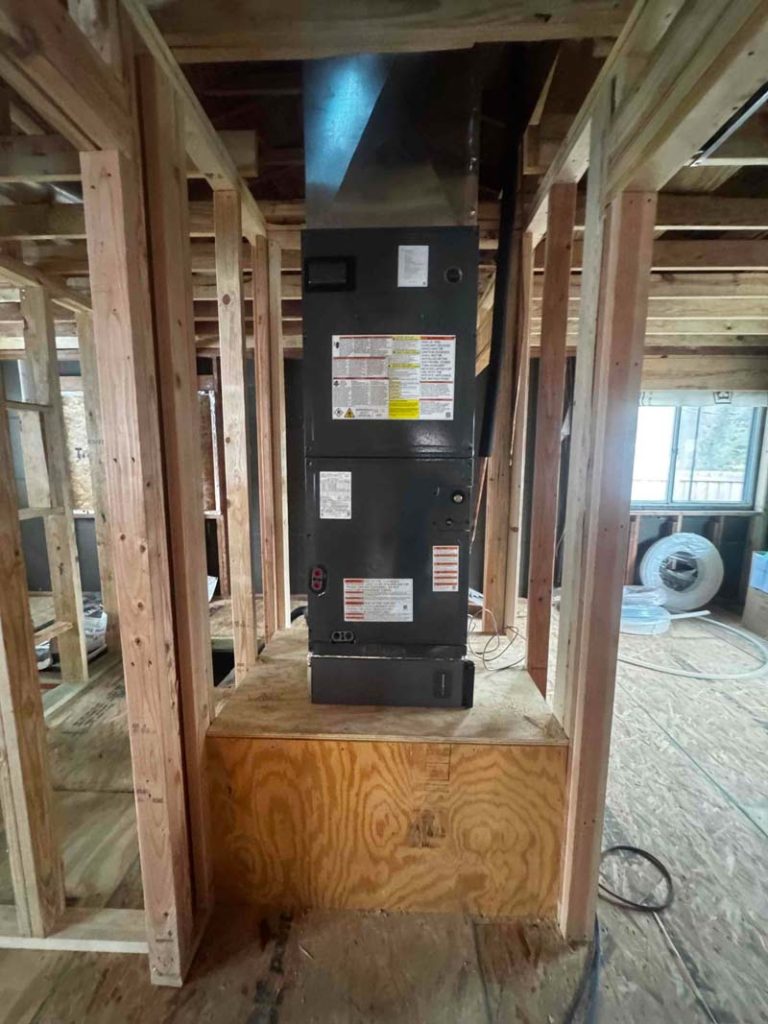
Walk through Mineola’s established residential streets and you are walking through a genuine cross-section of American residential construction history. Craftsman bungalows, mid-century ranch homes, and two-story frame houses from the early 1900s sit on the same blocks, and many of them are still running heating systems that were retrofitted into structures never originally designed for forced-air HVAC. That retrofit history is one of the defining features of furnace work in older Wood County communities. When a forced-air system gets added to a home that was built around gravity heating or window units, the ductwork runs where it can, not necessarily where it should. Soffits get converted into supply plenums, closets become return air chases, and the result is a distribution system that has always been a compromise — one that degrades further as the structure settles and shifts across decades of East Texas weather cycles. Mineola also sits in an area where high humidity is a year-round presence, and older homes without modern vapor barriers allow that moisture to work on mechanical components, wood framing around ducts, and insulation in ways that accelerate wear invisibly. These are the patterns that define the service calls we handle in Mineola: Working in homes like these requires a different kind of diagnostic patience than newer construction demands — and experience with the specific ways that East Texas climate interacts with older building systems is something that takes years to develop.
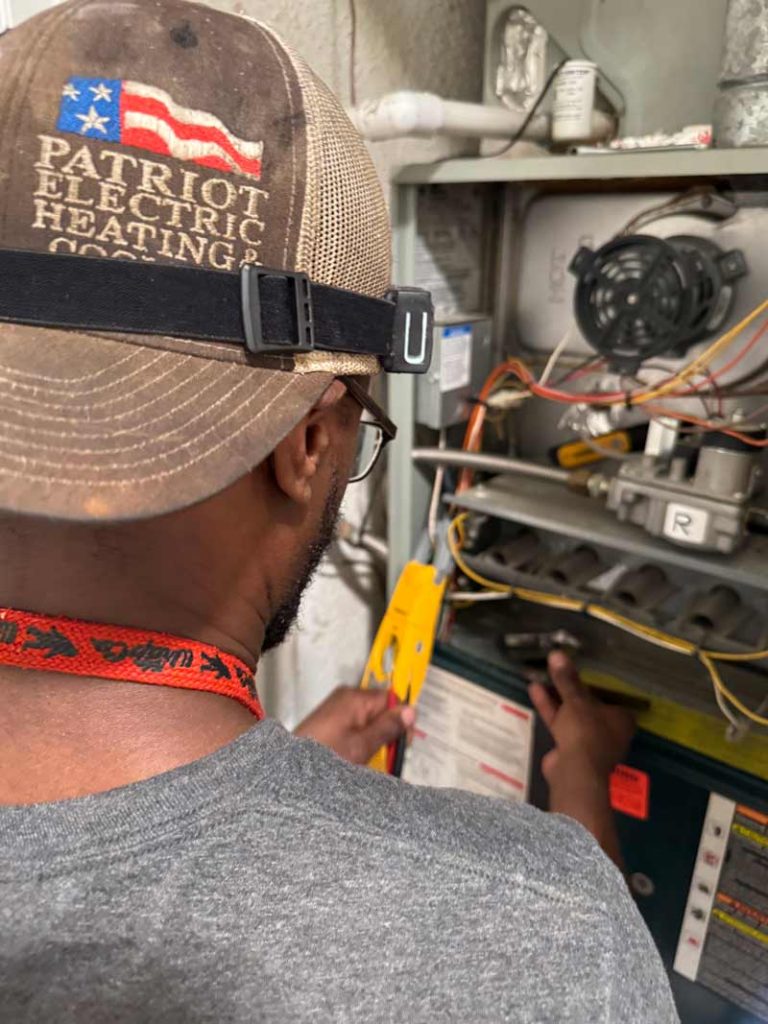
We have been doing this long enough to know that the homeowners who are most frustrated by service calls are the ones who felt like they were kept in the dark — handed a bill without a real explanation of what was wrong or why the repair was necessary. That is not how we operate. When we come to your home in Mineola, we walk you through what we find, show you what we are looking at when we can, and explain the repair in plain terms so you can make an informed decision about how to proceed. Our dual licensing for HVAC and electrical is particularly relevant in Mineola’s older housing stock. A furnace problem in a home with aging wiring, an undersized panel, or a repurposed flue system cannot be properly diagnosed by looking at the HVAC equipment alone. The electrical and mechanical systems in these homes are deeply interconnected, and a contractor who is only licensed on one side will either miss the full picture or refer you out to someone else midway through the job. We are equipped to evaluate and address both sides in a single visit, which matters when the temperature is dropping and you need the problem solved. Our 32-point electrical inspection is part of every job we do. In older Mineola homes specifically, that inspection frequently turns up conditions that the homeowner was not aware of — not because anything dramatic had happened, but because wiring and panel conditions in homes of that age simply have not been evaluated in a long time. We report what we find honestly, explain the implications, and leave the decision about next steps entirely with you.
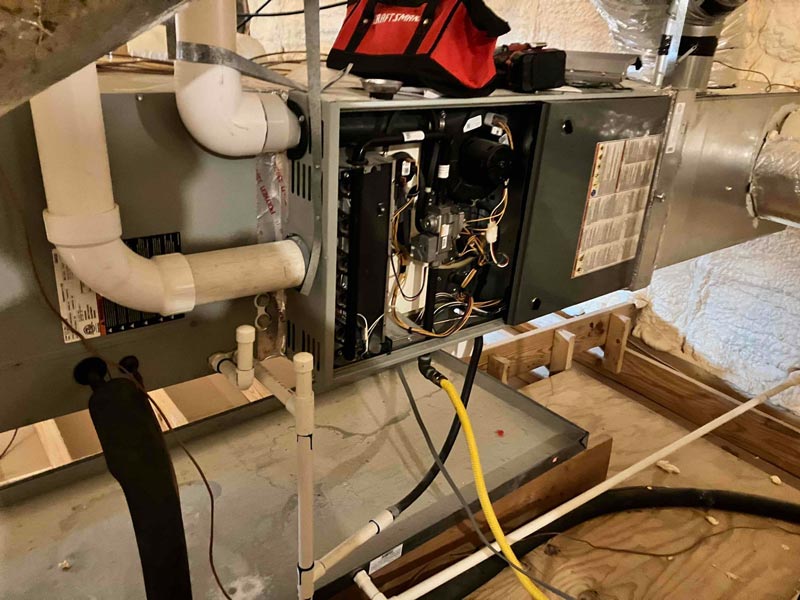
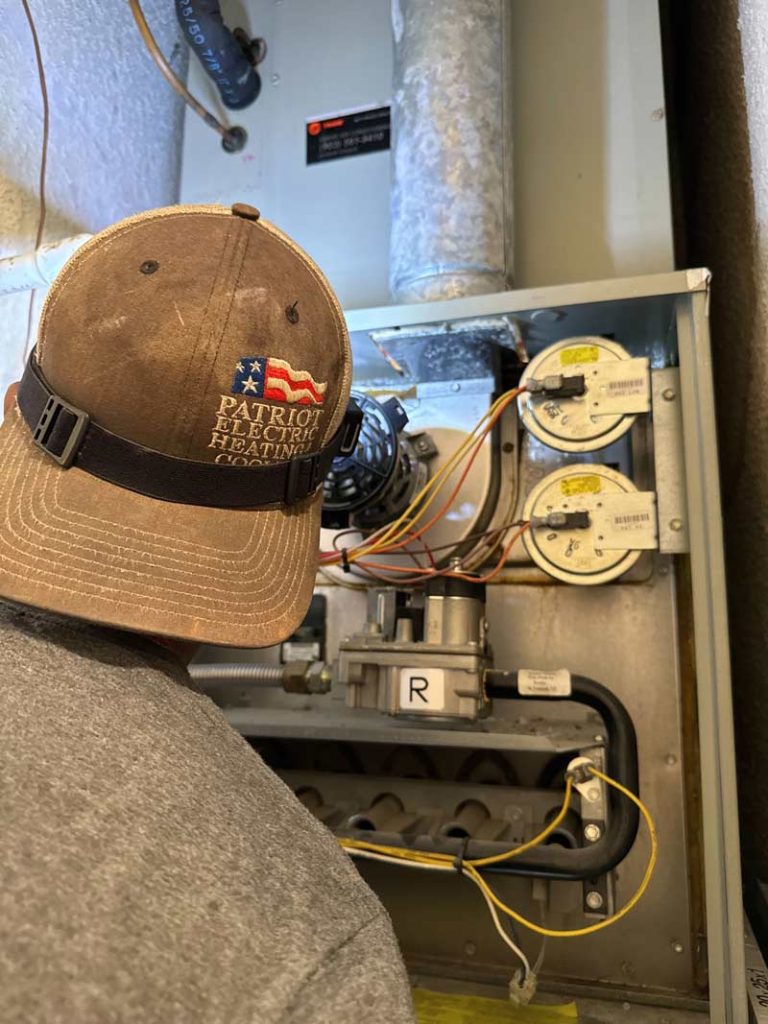
We got a call from a homeowner in Mineola on a Friday morning in February. Raymond had purchased his home a few years earlier — a two-story frame house in one of the older neighborhoods near downtown that had been updated in spots but still carried a lot of its original character. The furnace was running but the second floor was consistently cold, and he had noticed over the past two winters that no matter how high he set the thermostat, the upstairs bedrooms never felt right. When our technician inspected the system, the supply duct to the second floor turned out to be the culprit — but not in the way anyone would have guessed from the outside. The original installer had run a duct through a wall cavity between the first and second floors using the stud bays as the duct path itself, sealed only with cardboard and tape at the top. Decades of humidity cycling had completely destroyed that seal, and air was bleeding out into the wall cavity long before it reached any second-floor register. The solution required accessing the duct path, installing proper duct liner and sealed boots, and rebalancing the system for both floors. Raymond mentioned that the previous owner had complained about the upstairs being cold for years and had just accepted it. He was glad someone had finally traced it to the actual source rather than recommending a bigger furnace or a second system.
Mineola has the kind of community character where people take their homes seriously and expect the same from the people they hire to work on them. Historic homes carry a different kind of weight than newer construction — they represent history, investment, and in many cases, family. When something goes wrong with a heating system in a home like that, homeowners want a contractor who respects what they are working in and approaches the job with the care it deserves. That is the standard we hold ourselves to on every call. Being locally owned and independent means we are not operating on a corporate script or trying to hit a service call quota. Every decision about how a job is handled reflects directly on us — on our name, our reputation, and our standing in this community. We have been building that reputation for over 20 years, and we protect it by doing honest work and communicating clearly with the people we serve. For homeowners in Mineola specifically, having a contractor who is licensed for both HVAC and electrical and who has real experience working in older East Texas homes is not a luxury — it is a practical necessity. The combination of retrofit duct systems, aging wiring, and decades of East Texas humidity cycling creates diagnostic complexity that requires both breadth of licensing and depth of experience. We bring both, and we bring them to every call we take in Wood County and across the greater East Texas area.

Not necessarily. Uneven heating in older homes is common, but it is usually traceable to specific problems — duct systems that were retrofitted into a structure not designed for forced air, seals and connections that have failed over decades, or distribution layouts that were never balanced properly to begin with. A thorough inspection can often identify what is causing the imbalance and what can be done to correct it.
Yes. Furnace control boards, ignition systems, and blower motors are sensitive to voltage quality, and homes with aging wiring or undersized panels can deliver inconsistent power to those components over time. In older homes where the electrical system has not been updated, this is a real contributing factor to furnace reliability issues — and one that will not be caught if only the HVAC equipment is inspected.
Older homes without modern vapor barriers allow humidity to migrate freely through wall cavities, attic spaces, and floor systems. That moisture works on metal duct connections, insulation, and mechanical components year-round. In homes of that age, the cumulative effect on ductwork integrity and furnace component lifespan is more pronounced than in newer construction with better envelope control.
Venting and flue problems should be addressed before continuing to run a gas furnace. Improper draft or flue issues can allow combustion byproducts — including carbon monoxide — to enter the living space rather than exhaust properly. If you have any reason to suspect a venting problem, shut the system off and call a licensed technician before running it again.
Yes. We have extensive experience working in older East Texas homes with retrofit duct systems, aging infrastructure, and the kinds of diagnostic complexity that comes with structures built across multiple eras of construction. We approach those homes with the patience and attention they require and give homeowners an honest picture of what their system needs.