











Troup is a town that holds its own without apology. Sitting near the Smith and Cherokee county line in a stretch of East Texas that is more pasture and timber than suburb, it draws people who want land, quiet, and neighbors who mean what they say. The homes here reflect that character — a lot of them have been in the same family for decades, built by hands that valued function and durability over finish and flair. The electrical systems inside those homes carry the same history. Some have been updated carefully over the years. Others are running on infrastructure that was installed when Eisenhower was president and has been worked around rather than replaced ever since. When something in that system finally gives way — and in homes with that kind of history, it eventually does — what matters is having a licensed electrician who can read what they are looking at without needing a manual to do it. Patriot Electric, Heating and Cooling has been doing this work in East Texas for more than 20 years. We are locally owned, we are licensed for both residential and commercial electrical work, and we have been inside enough Troup-area homes to know what their electrical systems look like from the panel forward.
People who have lived in the same home for a long time develop an intuition about it. They know which light takes a second to come on, which outlet has always been a little loose, and which breaker trips if the space heater and the microwave run at the same time. That familiarity is genuinely useful — it is also what makes it easy to normalize things that should not be normal. In older Troup homes especially, what reads as a quirk of the house is sometimes a symptom of something that has been quietly worsening for years. These are the signals that have moved past quirk territory and into conditions that need a licensed electrician today: Troup homeowners who have lived with one of these conditions for a while are not at fault for not calling sooner — these things creep up slowly and present themselves as minor. But once you recognize what you are looking at, the right move is a call rather than continued monitoring.
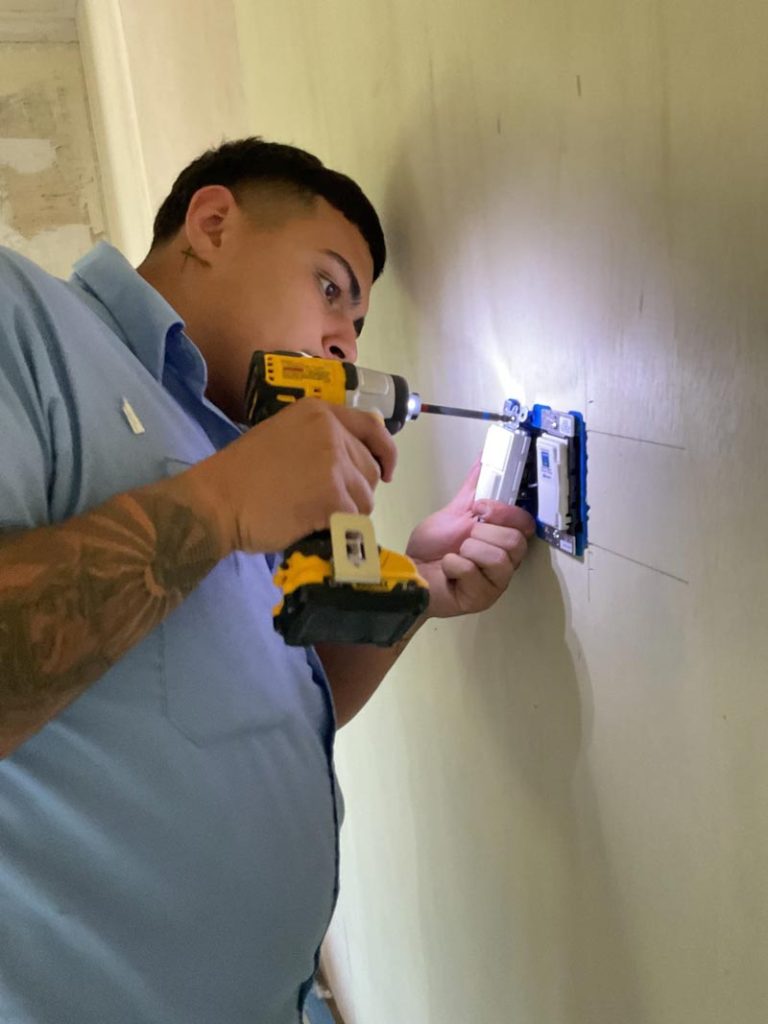
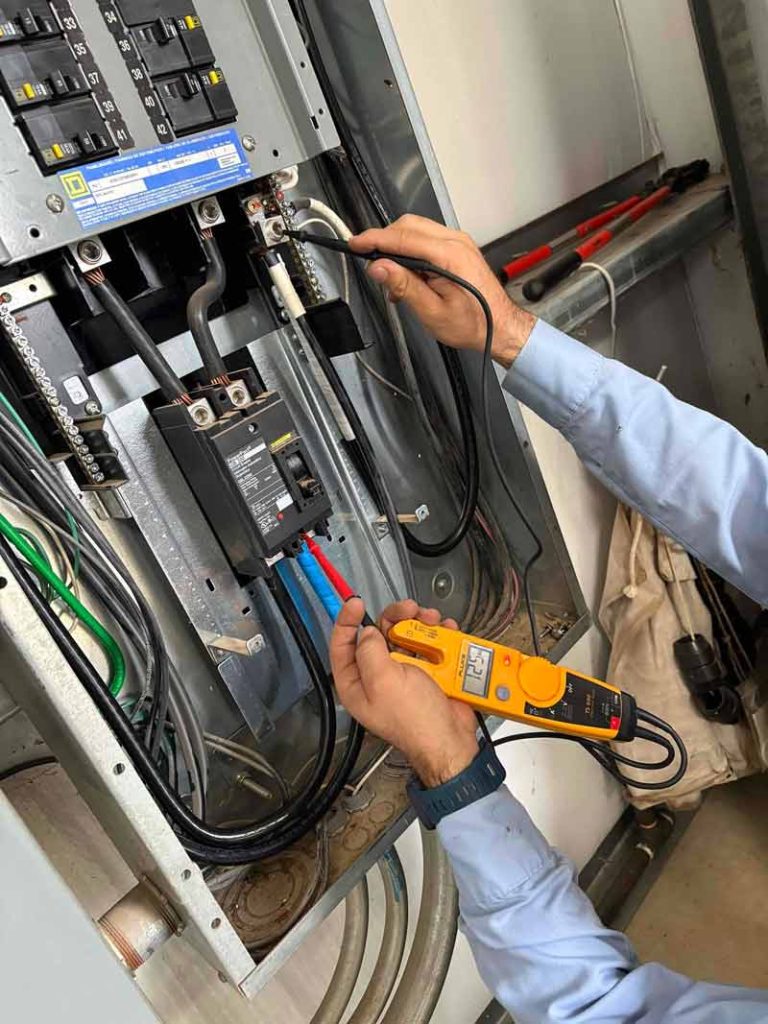
The range of what a licensed electrician encounters on an emergency call in Troup covers considerably more ground than what the same call looks like in a newer subdivision community. Original fuse boxes, knob-and-tube wiring segments still live in some older homes, service entrances that have not been touched since the 1960s, and detached outbuilding circuits that were wired by the property owner with whatever materials were on hand at the time — these are the conditions that define emergency electrical work in a community like this one. Patriot Electric, Heating and Cooling carries full residential and commercial licensing and applies our 32-point electrical inspection to every call we take, which means the picture we develop of a property goes well beyond the immediate failure. The emergency services we provide in the Troup area include: Each of those service types reflects a real and recurring emergency scenario in Troup — not a theoretical one pulled from a general electrician’s service list.
There is a particular kind of electrical infrastructure that develops in communities like Troup over the course of 60 or 70 years, and it does not look anything like what a building inspector encounters in new construction. It is the result of practical decisions made by practical people across multiple generations of ownership — a circuit extended to reach the new shop addition, a breaker swapped out by whoever was available when the old one failed, a service entrance left in place because it still technically worked and replacing it seemed unnecessary at the time. Layer those decisions across five or six decades and the result is a system that functions well enough most of the time and then produces a failure that surprises everyone, even though the conditions for it have been developing for years. Troup’s position in open Smith and Cherokee County territory also shapes its electrical emergency profile in a way that is different from more sheltered communities to the north. Homes here sit on land without much natural windbreak, which means overhead service lines experience more physical stress during high-wind events than lines in heavily wooded or more urban terrain. A service entrance that would hold up for decades in a sheltered setting may develop weatherhead and mast stress fractures, conductor fatigue, and meter base seal failures in a fraction of that time when it is exposed to the kind of sustained wind loading that open East Texas pastureland delivers. These are the electrical emergency patterns that Troup’s housing history and geography produce together: Troup’s electrical emergency landscape is defined by depth of history rather than breadth of new construction, and working in it well requires a different kind of diagnostic patience than what newer communities demand.

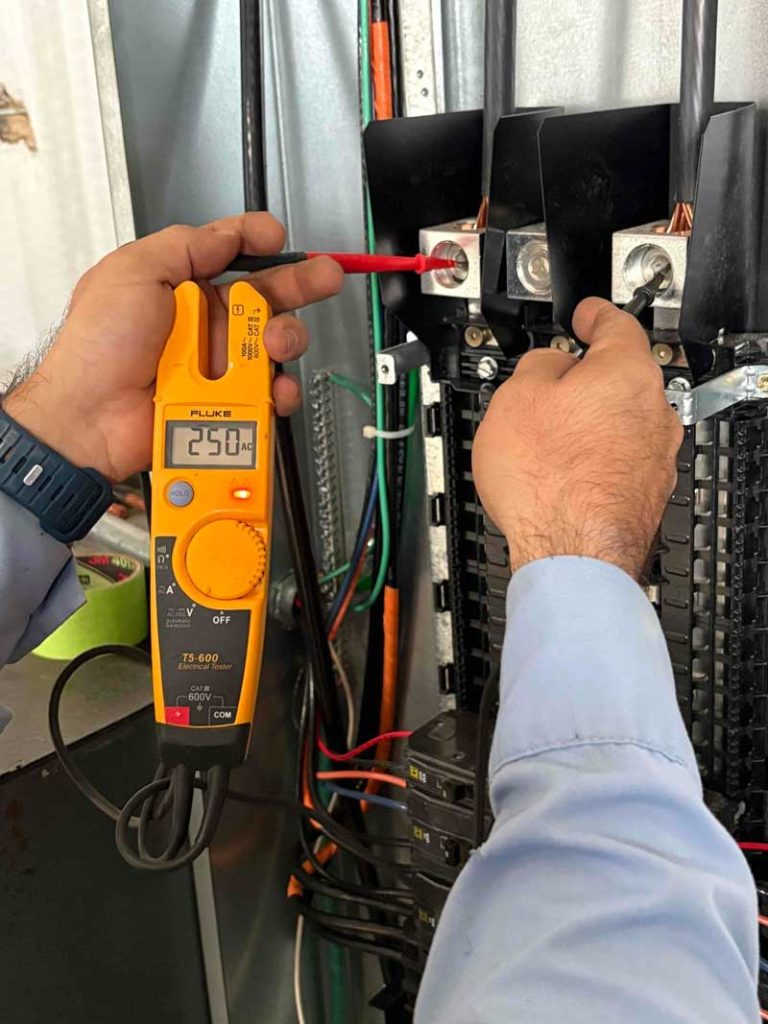
We got a call from a Troup homeowner named Earl on a Wednesday afternoon in September. He had grown up in the house — a 1950s-era wood frame property on a few acres just outside town that had been his parents’ home before it was his. He had been doing some work in the back bedroom when he noticed the lights dim noticeably, then watched a wall outlet near the window emit a brief visible spark when he plugged in a shop light. He pulled the plug immediately and called us. The outlet had not tripped anything at the panel. The lights had come back to full brightness on their own. When our technician arrived and began working through the system, the outlet itself was the starting point but not the story. The wiring behind it was original cloth-jacketed two-wire conductor from the home’s construction year, and the insulation on the hot conductor at the outlet connection had cracked and separated enough to allow intermittent contact between the exposed conductor and the metal outlet box. That contact was what produced the spark and the momentary voltage sag on the circuit. The outlet and the section of degraded conductor were replaced, but the inspection that followed changed the scope of the visit considerably. Working through the panel, the technician found that the original fuse box had been replaced at some point in the 1980s with a breaker panel — which was positive — but that the replacement had been done without updating the branch circuit wiring it was now protecting. Several of the breakers installed during that upgrade were rated at 20 amps protecting wiring that was sized for 15. Earl had not known any of this. The house had worked without incident for as long as he could remember, which was exactly what made the conversation about what was actually inside the walls so striking to him. He said his father had always described the house as solid, and he still believed that — he just had a clearer picture now of what solid actually meant in a home that age.
Troup is the kind of community where you hire someone because you know their work or because someone you trust has told you their work is good. Reputation is not an abstraction here — it is a functional currency that contractors earn by doing what they said they would do and lose quickly when they do not. We have operated in East Texas long enough to understand that dynamic deeply, and it shapes every decision we make about how a call gets handled, what we tell a homeowner about what we find, and how we price the work we do. There is no version of our business that functions in communities like Troup without the trust of the people who live there. What we bring to an emergency call in Troup is not a generic electrician’s skill set applied to whatever we find. It is two decades of accumulated experience working in homes that look and function exactly like the ones here — homes with layered electrical histories, original infrastructure that has been worked around rather than updated, and outbuildings and agricultural structures whose wiring reflects decades of practical decisions made without a code book nearby. We move through those systems efficiently because we have been inside enough of them to know what we are looking at before we pull the first panel cover. Being locally owned also means the accountability for our work is personal in a way that a regional chain or a franchise operation simply cannot replicate. When we leave a Troup property, what we did there travels with our name in this community. That is not a burden — it is the appropriate weight of doing skilled work in a place where people pay attention and remember. We would not have it any other way.
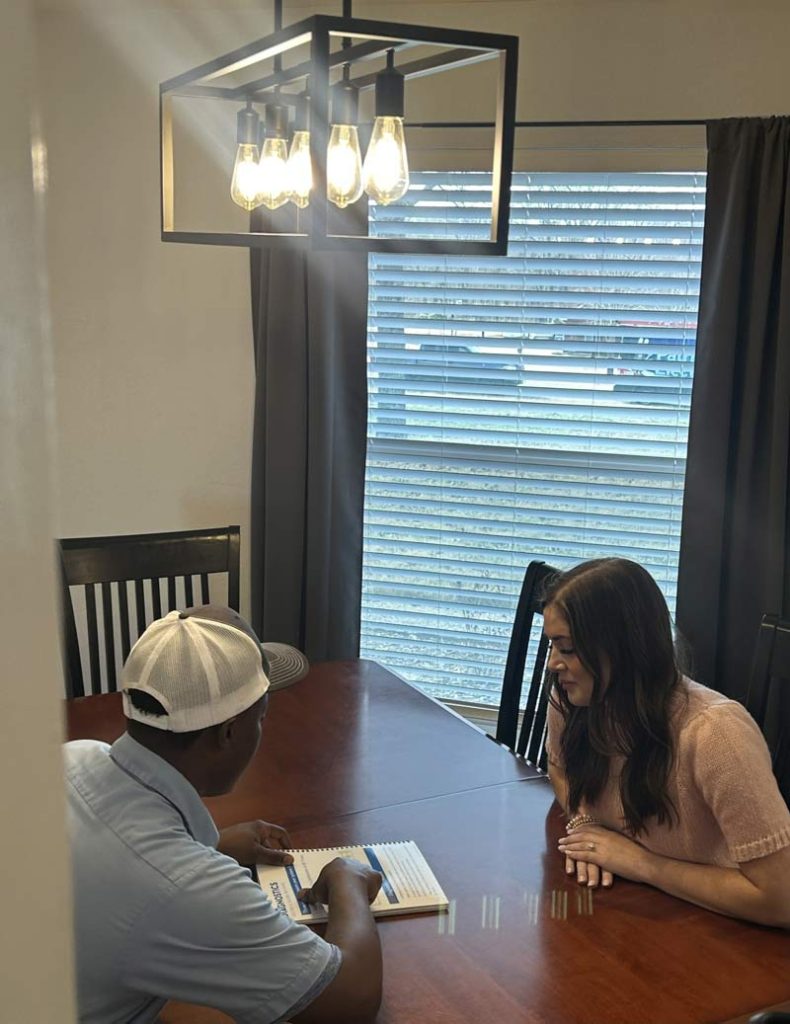
Not automatically, but it warrants a professional evaluation before you conclude it is safe to continue using. Original fuse boxes become problematic when the fuses installed in them are not correctly matched to the wiring they protect, when someone has installed oversized fuses to stop nuisance blowing rather than addressing the underlying overload condition, or when the box itself has developed corrosion or damage that compromises its ability to function as intended. A licensed electrician can assess the specific condition of the equipment and tell you whether it is a liability that needs replacement or one that can be safely managed with correct fusing and some targeted updates.
A momentary voltage sag that corrects itself points to a loose connection somewhere in the circuit path between the utility service and the light fixture. In older homes, the most common locations are at the service entrance conductors, at the main lugs inside the panel, at a junction point in the circuit, or at a degraded connection within an original outlet or switch box. When the sag affects multiple circuits or rooms simultaneously, the connection issue is likely upstream of the individual branches, either at the panel or at the meter base, and represents a higher-priority finding than a sag isolated to a single fixture.
Original cloth and rubber wiring insulation from mid-20th century construction was adequate when it was installed, but it has a finite service life that most of those installations have now exceeded. As the jacket material dries and becomes brittle over decades of thermal cycling, it can crack, separate, and expose conductors in wall cavities and attic spaces. Whether a specific installation has reached a hazardous condition depends on its age, the temperature history of the space it runs through, and whether it has been disturbed by renovations or pests. An inspection that traces accessible circuit runs gives a much clearer picture than a general assumption in either direction.
Yes, in several ways. A fault in outbuilding wiring that is connected to the main panel can trip breakers, damage the panel bus, or in worst-case scenarios allow fault current to travel back through the grounding system in ways that affect the main structure. Beyond that, a fire in an outbuilding caused by failed wiring can spread to the main property. Agricultural structures whose wiring has never been inspected or updated are among the higher-risk electrical conditions on rural East Texas properties, and they warrant the same professional attention as any other part of the electrical system.
Have it fully evaluated by a licensed electrician before you energize it under normal household load. A home that has been vacant is not the same as one that has been maintained and in active use — components that were borderline when the property was last occupied may have deteriorated further during the vacant period, and wiring that has not been loaded in years can behave unpredictably when modern appliances and devices are connected to it. An inspection that covers the service entrance, panel condition, branch circuit integrity, and any outbuilding connections gives you an accurate baseline and a clear picture of what needs attention before the property is fully occupied.