













Power outages in Tyler, TX, are not rare inconveniences. They are a regular reality. Severe thunderstorms, ice storms, hurricanes pushing inland from the Gulf, and summer heat events that strain the grid can knock out electricity for hours or even days. When that happens, a whole house generator keeps your lights on, your HVAC running, your refrigerator cold, and your family safe without you lifting a finger.
In our service calls throughout Tyler, from homes near Lake Tyler to properties along Old Noonday Road and the Loop 323 corridor, we see how quickly an extended outage disrupts daily life. Our team installs whole-house generators for homes and businesses throughout Tyler and East Texas, giving you automatic, reliable backup power exactly when you need it most.
Whole House Generators vs. Portable Units
A whole-house generator, also called a standby generator, is a permanently installed unit that sits outside your home, is connected directly to your electrical panel, and is fueled by natural gas or propane. When the power goes out, it automatically detects the outage and kicks on within seconds, restoring power to your entire home with no action required.
A portable generator, by contrast, requires manual setup while the power is already out, possibly in the middle of a storm or in the dark. Portable units also cannot safely power your entire home, typically covering only a handful of circuits at a time, and improper connection can create serious safety hazards, which is why that kind of setup should always be handled by a licensed professional rather than attempted as a DIY project.
For Tyler homeowners who travel for work, have elderly family members at home, or want the peace of mind that comes with automatic protection, a whole-house generator is in a different category entirely. It is not a backup plan you have to remember to execute. It executes itself.
Sizing the Right Generator for Your Tyler Home
Sizing a whole house generator correctly is one of the most important steps in the installation process, and it is where working with a licensed electrician makes a real difference. A unit that is too small will not power everything you need. An oversized unit costs more upfront and runs inefficiently over time.
The right size depends on a few key factors:
- Home square footage: larger homes require greater generating capacity to power essential circuits.
- Number of HVAC units: Each system adds meaningfully to your total power demand.
- Appliance type: Electric appliances draw more power than gas-powered equivalents.
- Household priorities: what you consider essential versus optional during an outage shapes the right unit size.
A 1,500-square-foot home in Tyler with one HVAC unit and standard appliances typically runs well on a 14- to 20-kilowatt generator. Larger homes with two HVAC systems, electric water heaters, or home offices with significant equipment needs may require 22-26 kilowatts or more.
Working in homes across Tyler, our technicians perform a full load calculation for every generator installation, measuring your actual power demands rather than guessing, so the unit we recommend is the right fit for your specific home and lifestyle, not just a ballpark estimate.
What to Expect During Installation
For most homes in Tyler, a complete whole-house generator installation takes one to two days. Day one typically covers the electrical work, including installing the automatic transfer switch, running connections to your electrical panel, and preparing the circuit. Day two covers placement of the generator unit, final connections to your gas or propane supply, and a full system test to confirm everything operates correctly.
You benefit from having one contractor handle the entire installation rather than coordinating between an electrician and a separate plumber or gas technician. Our team manages every aspect of the job from start to finish, including obtaining the necessary permits from the City of Tyler for any standby generator installation.
Permit requirements exist to protect you. An inspected, code-compliant installation ensures your generator operates safely, does not void your homeowner’s insurance, and will not create complications if you ever sell your home.
Choosing Between Natural Gas and Propane
Most homes in Tyler that have access to natural gas lines benefit from connecting their standby generator to that existing supply. Natural gas generators run on the municipal supply, which means you never have to worry about fuel storage, delivery scheduling, or running out during an extended outage. As long as the gas line remains intact, your generator will run indefinitely.
Propane is the right choice for homes outside the natural gas service area, which includes many rural and semi-rural properties across East Texas. Propane is stored in a tank on your property, giving you a defined fuel reserve. A 500-gallon propane tank can run a mid-sized home generator for roughly a week of continuous use, and refills can be scheduled ahead of storm season to ensure you are prepared.
Based on what we see in Tyler properties, our technicians assess your existing utility connections and your location to recommend the fuel source that makes the most practical and financial sense for your specific situation.
Why East Texas Weather Makes a Generator a Smart Investment
Tyler sits in a part of Texas that gets hit from multiple directions. Gulf moisture fuels powerful spring and summer thunderstorms capable of producing damaging winds, large hail, and extended outages. The 2021 winter storm that left millions of Texans without power for days is a recent and painful reminder that even the most stable-seeming grid can fail under extreme cold. Hurricane remnants regularly push rainfall and wind events into East Texas through late summer and fall.
Your HVAC system is most at risk during a summer outage in Tyler. Indoor temperatures can climb to dangerous levels within hours when the heat index is above 100°F, and your air conditioning stops working. For households with elderly residents, young children, or anyone with a medical condition affected by heat, that is not a comfort issue. It is a health emergency, and it is one reason many Tyler homeowners also invest in whole-house surge protection alongside a generator, since power restoration after an outage can send damaging surges through your home’s system.
A whole-house generator means your AC keeps running, your medical equipment stays powered, your food does not spoil, and your home remains a safe place to ride out whatever East Texas weather throws at you.
The Property Value and Financial Case for a Generator
According to data from the National Association of Realtors, homes with standby generators tend to sell faster and at a premium compared to similar homes without them, particularly in regions with a high risk of outages. In markets like Tyler, where severe weather is a known factor, a whole-house generator is an increasingly attractive feature for prospective buyers.
Beyond resale value, the everyday benefit is financial, too. A single extended outage can mean hundreds of dollars in spoiled food, hotel stays if your home becomes uninhabitable in extreme heat, and potential damage to electronics or appliances from power surges when the grid is restored. Over the life of the generator, typically 15 to 20 years with proper maintenance, the protection it provides far exceeds its upfront cost for most Tyler homeowners.
Our team helps you choose a unit that fits your budget today while delivering long-term value. For households already dealing with breaker or outage issues, it is often worth pairing a generator installation with a broader review of your home’s emergency electrical service needs.
Never Go Dark on Us, Tyler
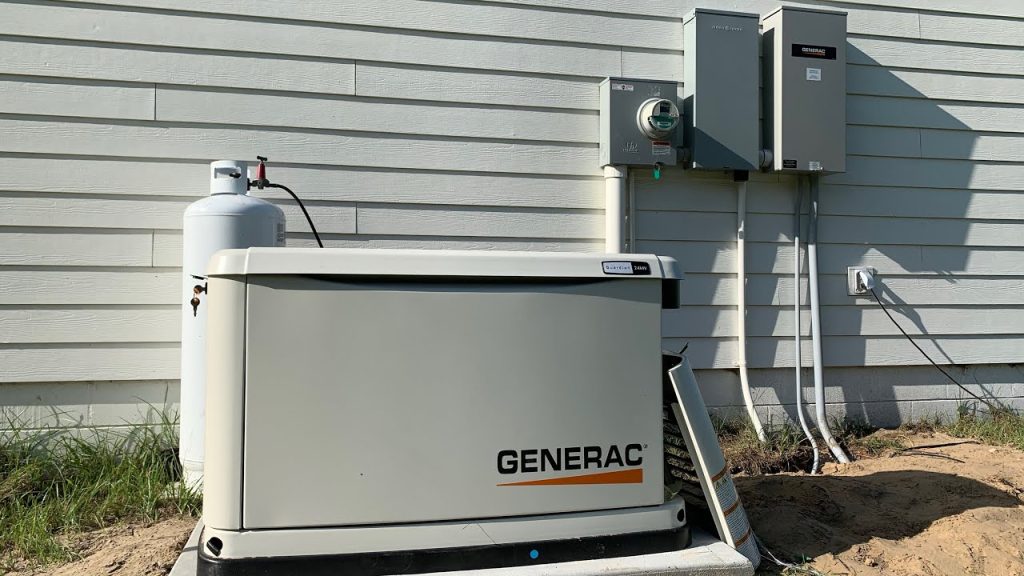
Patriot Electric, Heating, and Cooling installs whole-house standby generators for homes and businesses throughout Tyler, TX, and the surrounding East Texas region. From load calculations and permit pulls to final testing and startup, our licensed electricians handle every step of the process so your home is protected before the next storm hits.
Don’t wait until the lights go out to wish you had a generator. Schedule your service today and find out exactly what it takes to keep your home powered no matter what.