Heating Repair
Reliable Heating Repair Services in Tyler, TX & Surrounding Areas
When the temperatures drop in East Texas, a malfunctioning heating system isn't just an inconvenience
It can be a serious comfort and safety issue. At Patriot Electric Heating and Cooling, we understand the urgency of a broken furnace or heating system. That's why we offer prompt, reliable, and expert heating repair services throughout Tyler, TX, and the surrounding communities.
With over 20 years of experience, our certified technicians are adept at diagnosing and resolving a wide range of heating issues, from minor glitches to major breakdowns. We work with all types and brands of heating systems, including gas furnaces, electric furnaces, and heat pumps. Our commitment to honest, flat-rate pricing and exceptional customer service means you can trust us to get your heat back on quickly and efficiently. And because heating emergencies don't wait for business hours, we offer 24/7 emergency repair services.
Signs Your Heating System Needs Professional Repair
It's crucial to address heating issues as soon as you notice them to prevent minor problems from escalating into more costly and extensive repairs, or even system replacement. Here are the key indicators that it's time to call Patriot Electric Heating and Cooling for heating repair:
- No Heat or Insufficient Heat: This is the most obvious sign. If your furnace is blowing cold air, or if the air coming from the vents isn't warm enough to heat your home, there's clearly a problem. This could be due to a faulty thermostat, a pilot light issue (for gas furnaces), a malfunctioning igniter, a clogged filter, or issues with the blower motor.
- Unusual Noises: Your heating system should operate with a relatively quiet hum. If you start hearing strange sounds like:
- Banging or Popping: Often due to delayed ignition or expanding/contracting ductwork.
- Squealing or Grinding: Could indicate a problem with the blower motor bearings or a loose belt.
- Rattling: Might point to loose panels, a failing fan, or debris inside the unit.
- Clicking: Can be normal during startup/shutdown, but persistent clicking could indicate a faulty control board or igniter.
- Any new or loud noise should prompt a call to a professional.
- Strange Odors: While a slight burning smell might occur when a furnace is first turned on for the season (burning off accumulated dust), persistent or unusual odors are a cause for concern:
- Musty or Moldy Smell: Indicates mold or mildew in the ductwork or within the unit, often due to moisture.
- Metallic or Electrical Burning Smell: Could signal an overheating motor, burnt wires, or other electrical issues. Turn off your system immediately and call for service.
- Sulfur or Rotten Eggs Smell: For gas furnaces, this is a critical sign of a natural gas leak. Evacuate your home immediately, call 911, and then your gas company. Do not re-enter until declared safe.
- Pilot Light Issues (Gas Furnaces): If your pilot light is frequently going out, or if it's yellow or orange instead of a strong blue, it indicates a problem. A yellow flame can signify incomplete combustion, which produces dangerous carbon monoxide. If you see a yellow or flickering pilot light, turn off your furnace and call a professional immediately.
- Frequent Cycling (Short Cycling): If your furnace turns on and off frequently, running for only very short periods, it's "short cycling." This indicates that the unit isn't completing a full heating cycle, which can be caused by an oversized unit, a clogged air filter, a faulty thermostat, or a problem with the heat exchanger. Short cycling wastes energy and puts excessive wear and tear on your system.
- Spike in Energy Bills: If your winter heating bills are suddenly much higher than usual without a significant change in usage, your furnace is likely losing efficiency. This could be due to a dirty filter, a malfunctioning component, or simply an aging system working harder to keep up, indicating it needs attention.
- Thermostat Malfunctions: If your heating system isn't responding to your thermostat settings, or if the thermostat itself is blank, displaying error codes, or misreading temperatures, the problem could be with the thermostat itself (dead batteries, faulty wiring) or a signal issue from the furnace.
- Carbon Monoxide Detector Alarms: This is a critical safety warning. If your carbon monoxide detector sounds an alarm, or if you or family members experience symptoms of CO poisoning (headache, dizziness, nausea, flu-like symptoms), evacuate your home immediately and call 911. A faulty furnace can produce carbon monoxide.
Our Heating Repair Process
When you call Patriot Electric Heating and Cooling for heating repair, you can expect:
- Prompt Dispatch: We understand the urgency, especially during cold weather, and strive for quick response times.
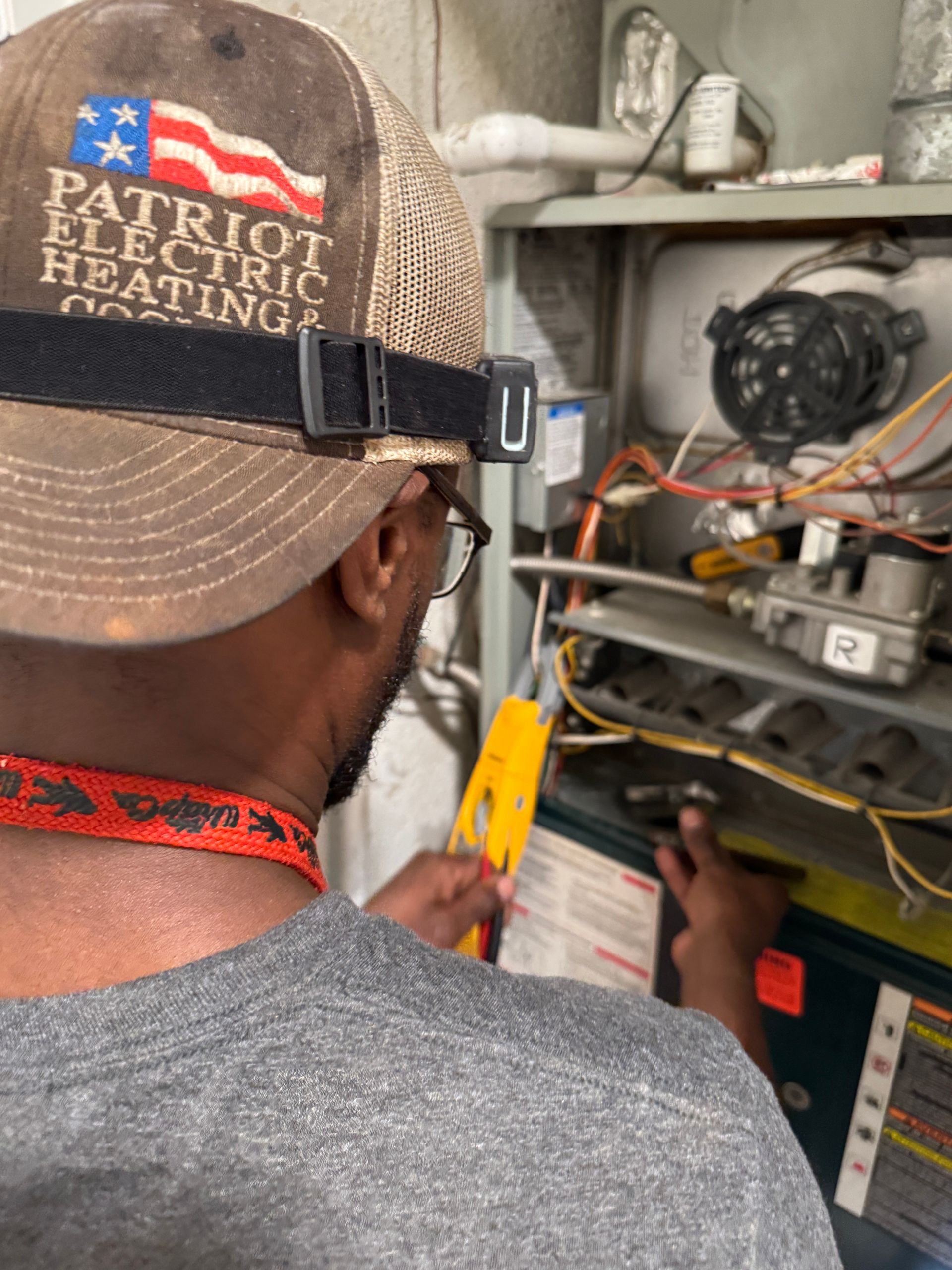
- Thorough Diagnosis: Our expert technicians will meticulously inspect your entire heating system, utilizing advanced diagnostic tools to accurately identify the root cause of the problem.
- Clear Explanation & Upfront Pricing: We'll clearly explain the issue, the necessary repairs, and provide you with a detailed, flat-rate price quote before any work begins.
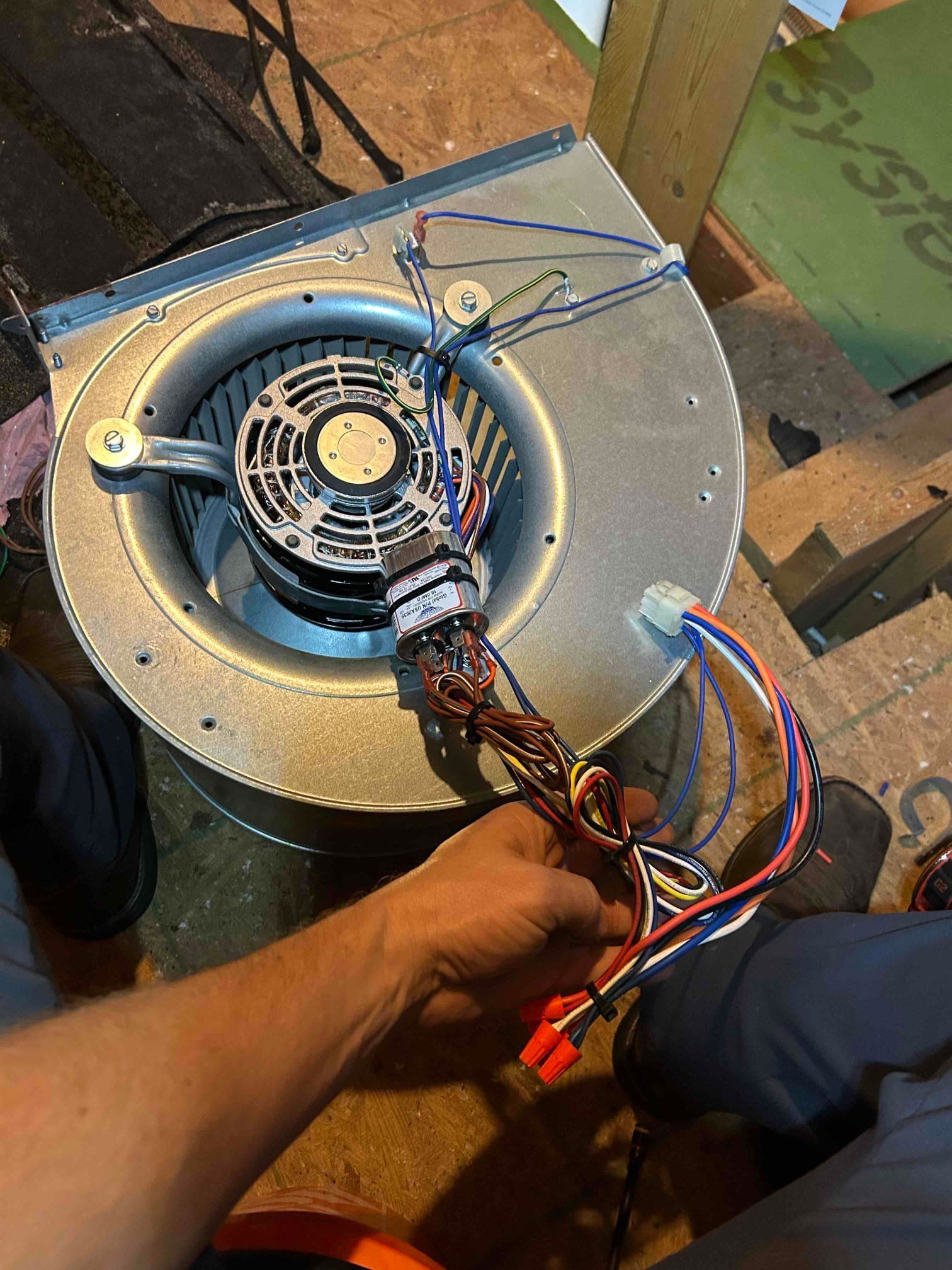
- Expert Repair: Our technicians arrive with fully stocked vehicles, equipped to handle most common heating repairs on the spot, ensuring your heat is restored as quickly as possible.
- Quality Workmanship: We use high-quality replacement parts and adhere to industry best practices to ensure durable and reliable repairs.
- Post-Repair Testing: We rigorously test your heating system after the repair to confirm it's operating safely, efficiently, and effectively.
Don't let a failing heating system leave you in the cold. If you notice any of these warning signs, don't hesitate to contact Patriot Electric Heating and Cooling. Our team is ready to provide fast, reliable heating repair services in Tyler, TX, and the surrounding areas. Call us today at (903) 218-7076
or reach out online to schedule your service!
Pricing Disclaimer
Heating Repair Cost Estimates: Professional heating repair costs typically range from $140 to $258. The final price depends on the system's condition, accessibility, and electrical or gas safety requirements. Note: Because heating issues can pose safety risks, Patriot Electric Heating and Cooling provides a full diagnosis and upfront quote to ensure safe operation and code compliance.
Rated 5.0 stars by our Heating Repair Clients
★★★★★
Jeffery took his time to really diagnose what was wrong with our unit and fix it. Very happy with his work and friendly attitude.
Janyra Young
★★★★★
Chad was extremely thorough at explaining the issue about the gas leak in our furnace and the repair process. Repair was completed by Chad and Samuel. Our furnace is now safely working and keeping our house warm and toasty. I would definitely recommend Patriot to friends and family. Impressed by the professionalism displayed. Thank you!
Kari Toon
★★★★★
Jeffery did an outstanding job! He was very knowledgeable with troubleshooting and repair. He had the right tools to complete the job in a timely fashion and conducted himself in a very professional manner. I would not hesitate to use services again. Strongly recommend!
Don Lanphear
FAQ
Why is my heater blowing cold air even though it sounds like it's running?
If your furnace is blowing air but the air is cold, it is usually caused by one of three things: a dirty air filter, an incorrect thermostat setting, or a safety mechanism called a "Limit Switch" that has tripped.
At Patriot Electric Heating and Cooling, we recommend checking these two simple things before paying for a service call:
1. The "Fan ON" vs. "Fan AUTO" Mistake:
- Check your thermostat. Is the fan switch set to ON?
- The Problem: If set to ON, the blower fan runs 24/7, even when the furnace isn't heating. This means it circulates room-temperature air between cycles, making your home feel drafty.
- The Fix: Switch it to AUTO. This ensures the fan only runs when the heat is actually burning.
2. The "Safety Lockout" (Overheating):
- The Cause: If your air filter is clogged, the furnace cannot "breathe." It gets dangerously hot inside.
- The Safety Mechanism: The High Limit Switch detects this heat and shuts off the gas burners to prevent a fire—but it keeps the fan running to cool the unit down.
- The Symptom: You hear the blower running, but the air is cold because the fire has been cut off for safety.
- When to Call a Pro: If you have changed your filter and set the thermostat to AUTO, but it is still blowing cold, you likely have an Ignition Failure (bad ignitor or pilot light) or a Flame Sensor issue. Because these involve gas and high voltage, a licensed technician needs to diagnose exactly why the burners aren't lighting.
Should I turn my heating system off completely if it isn't working right?
Yes, immediately. If your system is making strange noises, smelling odd, or not heating, continuing to run it will almost certainly cause more expensive damage.
At Patriot Electric Heating and Cooling, we call this preventing a "Cascading Failure." A heater is a chain of components; if one small part (like a limit switch or blower motor) is failing, forcing it to run puts massive stress on the major components (like the compressor or heat exchanger).
3 Signs You Must Shut Down Immediately:
- The "Rotten Egg" Smell (Gas Leak): If you smell sulfur/gas, do not just turn off the thermostat. Evacuate the house and call the utility company or 911 immediately. Do not touch any light switches.
- Burning Electrical Smell: If it smells like melting plastic or ozone, you likely have a short in the wiring or a seized motor. Leaving this on is a direct fire hazard. Turn it off at the thermostat and, if safe, flip the breaker in your panel.
- Loud Metal-on-Metal Noises: A screeching or banging sound usually means a blower wheel is loose or a motor bearing has failed. If you let it keep running, the loose part can tear through the housing, destroying the entire unit.
Pro Tip: If you turn the system off, do not try to "reset" it repeatedly to see if it fixes itself. Resetting a locked-out furnace clears the error codes that our technicians need to see to diagnose the problem quickly. Leave it off and wait for the pro.
What are the most common warning signs that my heating system needs repair?
Your heating system will almost always "tell" you it is struggling before it actually quits. At Patriot Electric Heating and Cooling, we tell homeowners to listen, smell, and watch for these three specific distress signals:
1. The Sounds (Screeching vs. Booming):
- Screeching/Squealing: This is usually a loose belt or a motor bearing that is drying out. It’s a cheap fix now, but if the bearing seizes, it destroys the blower motor (an expensive fix).
- The "Boom" (Delayed Ignition): If you hear a loud thump or boom when your gas furnace turns on, call us immediately. This means gas is building up in the chamber before it lights. Eventually, this mini-explosion can crack your heat exchanger or blow out the front panel.
2. The Cycle (Short Cycling):
- The Symptom: Your furnace turns on, runs for 3 to 5 minutes, and shuts off, then repeats this constantly.
- The Cause: This is often a safety feature kicking in. The system is likely overheating due to a dirty filter or a bad flame sensor. It shuts down to prevent a fire. Ignoring this will burn out your control board.
3. The Bills (The "Efficiency Leak"):
- The Symptom: Your gas or electric bill has spiked, but the weather hasn't changed much.
- The Cause: When parts wear out, the system has to work twice as hard to produce the same heat. If your bill jumps 20-30% year-over-year, your heater is losing efficiency and likely has a failing component.
Pro Tip: If you smell a "burning dust" smell the first time you turn the heat on in the fall, that is normal (it's just dust burning off the coils). If you smell it in January, or if you ever smell melting plastic, shut the system off immediately.
Proudly Serving East Texas
We provide comprehensive electrical and HVAC services to Tyler, Longview, Athens, Palestine, Sulphur Springs, and Jacksonville.
Our local service area also includes:
- Lindale
- Whitehouse
- Bullard
- Kilgore
- Henderson
- Gilmer
- Mineola
- Winnsboro
- Emory
- Diana
- Reklaw
- Canton
- Van
- Chandler
- Hawkins
- Gladewater
- Troup
- Rusk
- Quitma
- Point
- Overton
- Mt. Enterprise
- Yantis
- Como
- Wills Point
- Mabank
- Malakoff
- Montalba
- Frankston
- Ben Wheeler
- Holly Lake Ranch
- Arp
- Cushing
and surrounding communities.